BPC-157
What is BPC-157?
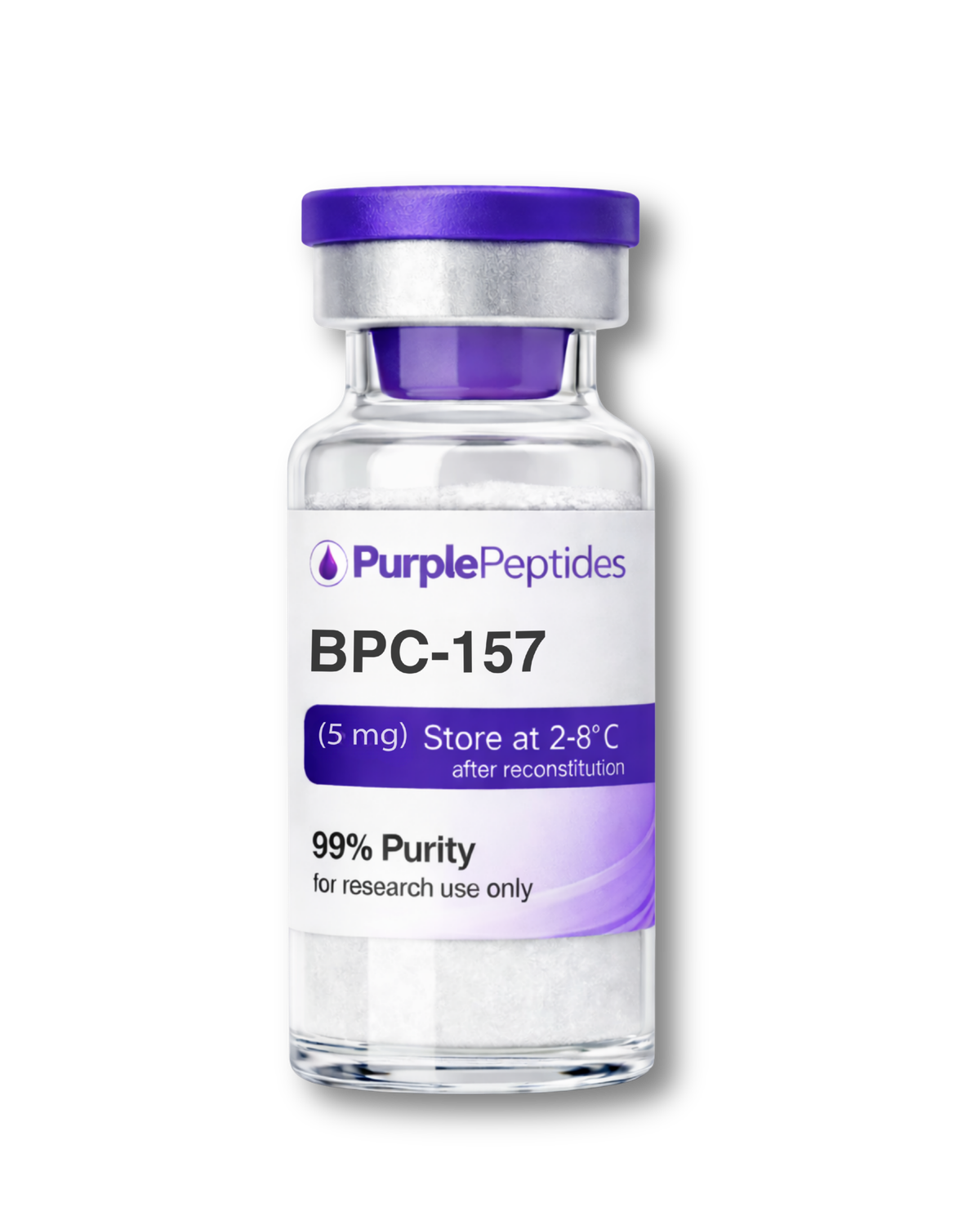
BPC-157 is a synthetic peptide derived from a naturally occurring protein fragment identified in gastric tissue. In research environments, it is studied for its interactions with angiogenic, inflammatory, and cytoprotective pathways, making it a compound of interest in experimental models focused on cellular response, tissue integrity, and recovery mechanisms.
Certificate of Analysis
Third-party tested for 99% purity
BPC-157 Overview
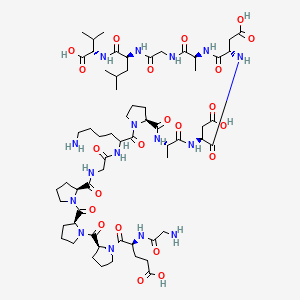
BPC-157 (Body Protection Compound-157) is a synthetic pentadecapeptide composed of 15 amino acids. It originates from a stable fragment of a protein found in human gastric juice. Since its initial synthesis in the early 1990s, BPC-157 has been widely examined in laboratory and animal studies for its relevance to cellular protection, structural repair processes, and vascular signaling.
Research interest has centered on its ability to influence biological systems involved in tissue maintenance and repair, positioning BPC-157 as a frequently studied peptide in regenerative and recovery-focused experimental models.
Sikiric P. et al., 1993History
BPC-157 was first synthesized during investigations into cytoprotective proteins present in gastric juice. Early research emphasized its capacity to preserve structural integrity in gastrointestinal models. As research expanded, studies began evaluating its activity across musculoskeletal, vascular, and dermal systems.
Across these experimental models, BPC-157 consistently demonstrated properties relevant to tissue regeneration, cellular survival, and biological resilience. This broad applicability has led to sustained scientific interest in the peptide as a tool for studying repair mechanisms and systemic protection across multiple biological domains.
Pavlovic I. et al., 2003BPC-157 Structure
Research Findings
BPC-157 has been evaluated across a wide range of structural, vascular, dermatological, and systemic research models. Published studies highlight its involvement in processes such as collagen regulation, extracellular matrix remodeling, angiogenesis, and wound-closure dynamics. Additional research suggests protective activity in preclinical models, supporting cellular integrity and recovery under stress conditions.
Key Areas of Investigation:
- Structural: Collagen synthesis, extracellular matrix organization, tendon and ligament models
- Vascular: Angiogenesis, nitric oxide signaling, vascular repair pathways
- Dermatological: Wound closure dynamics, cellular migration, vessel formation
- Systemic: Cytoprotection, cellular viability, recovery signaling
Collectively, these findings indicate broad experimental utility for BPC-157 across multiple biological domains. Its influence on collagen organization, vascular growth, and cellular protection provides a versatile research platform for studying tissue repair, recovery processes, and systemic resilience in controlled laboratory settings.
Seiwerth S. et al., 2018