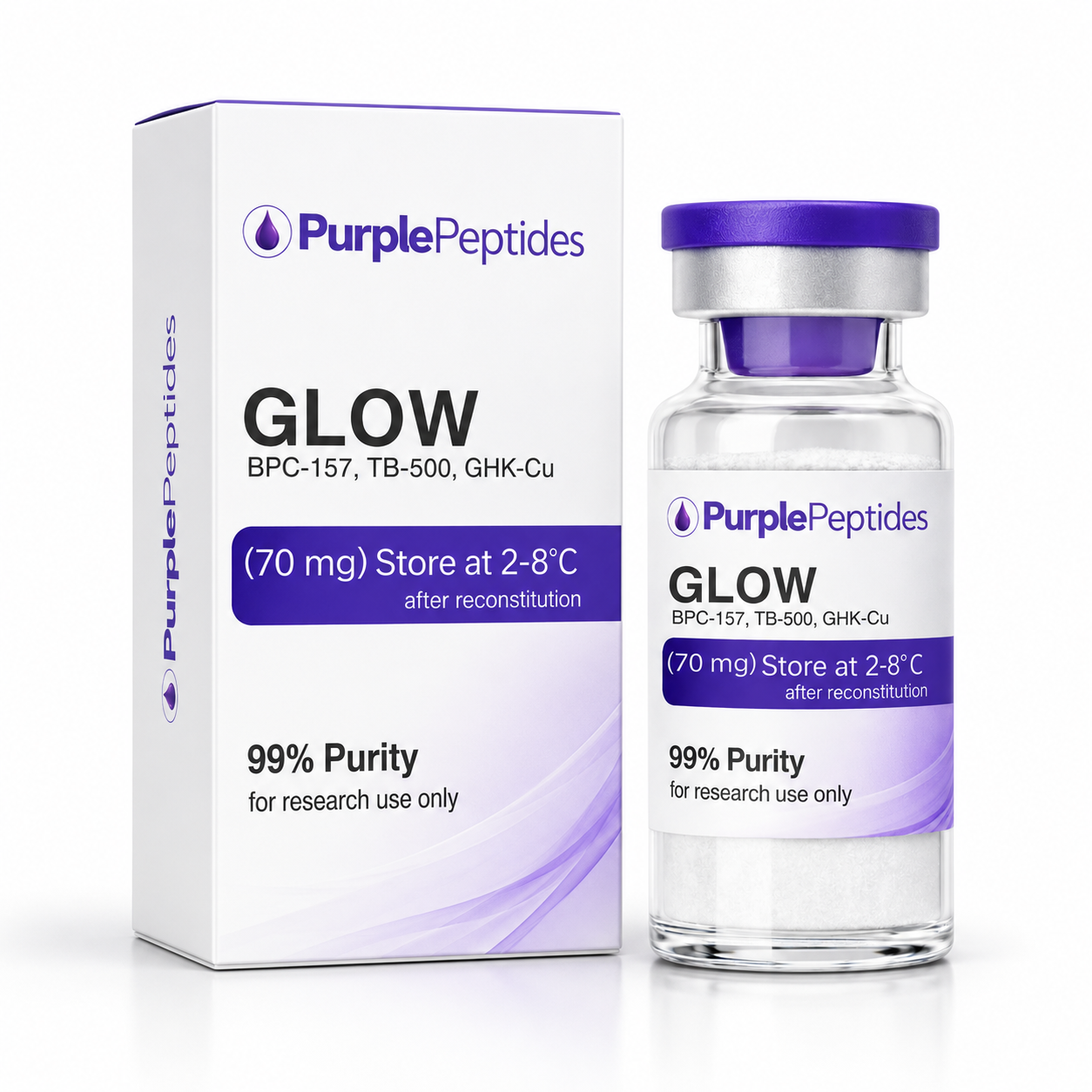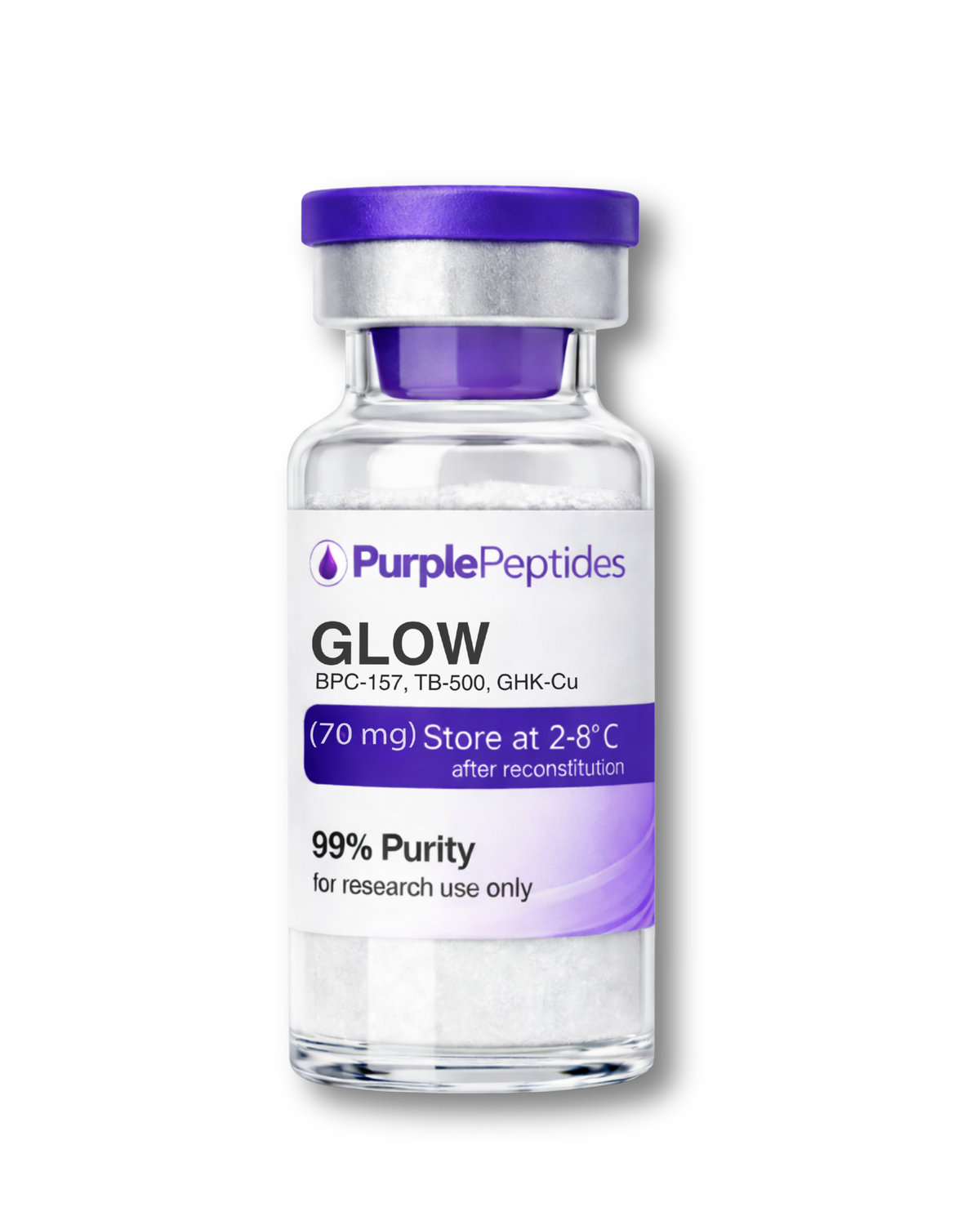
GLOW (BPC-157, TB-500, GHK-CU)
What Is the GLOW™ Blend?
The GLOW™ Blend is a multi-peptide research formulation composed of GHK-Cu, BPC-157, and TB-500. These three compounds are individually studied in laboratory and preclinical research for their relationship with tissue-remodeling pathways, extracellular matrix organization, cellular migration, angiogenic signaling, and repair-related biological processes.
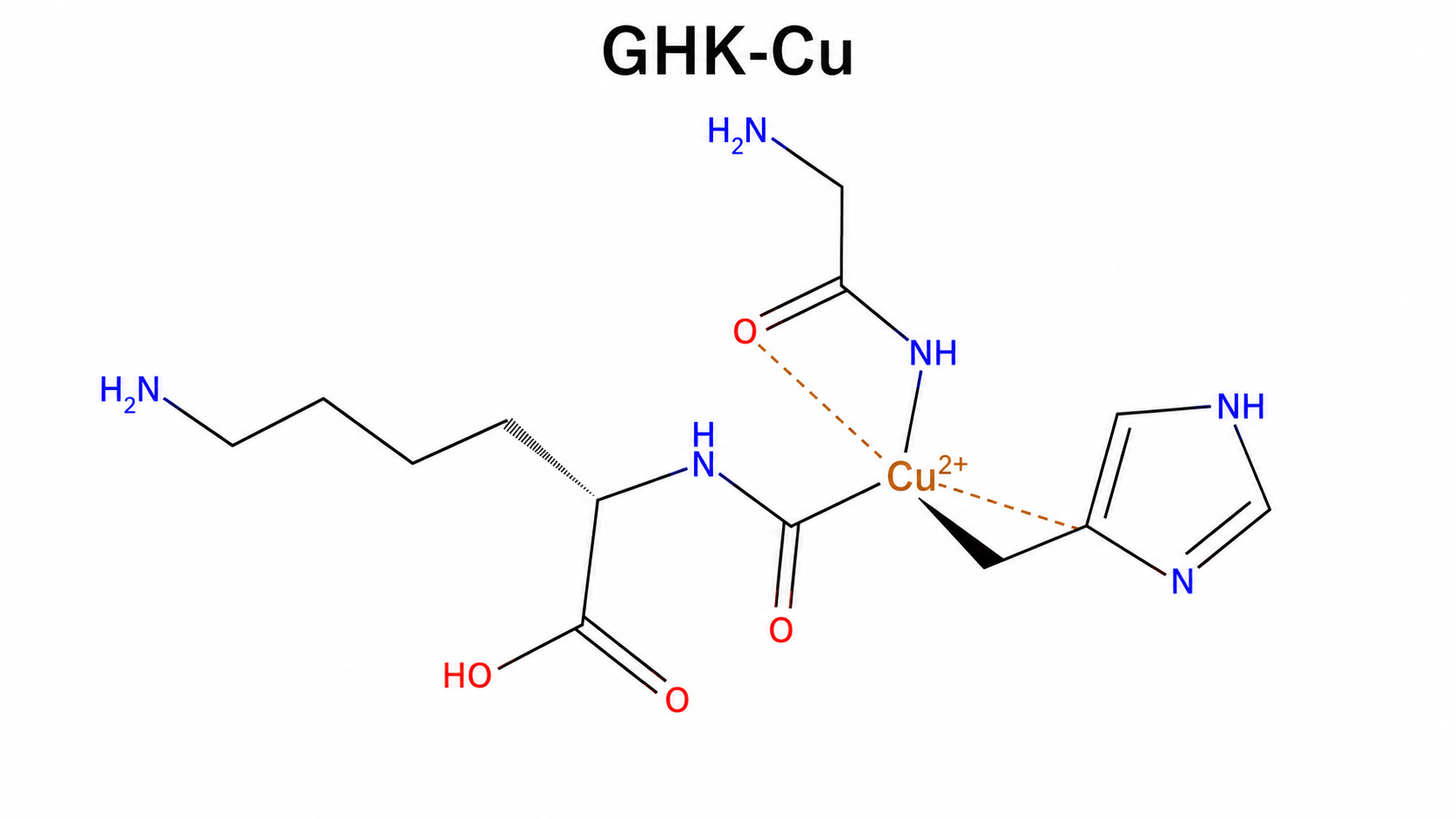
GHK-Cu is a copper-binding tripeptide complex studied for its role in collagen regulation, gene-expression modulation, fibroblast activity, and skin/tissue remodeling models.
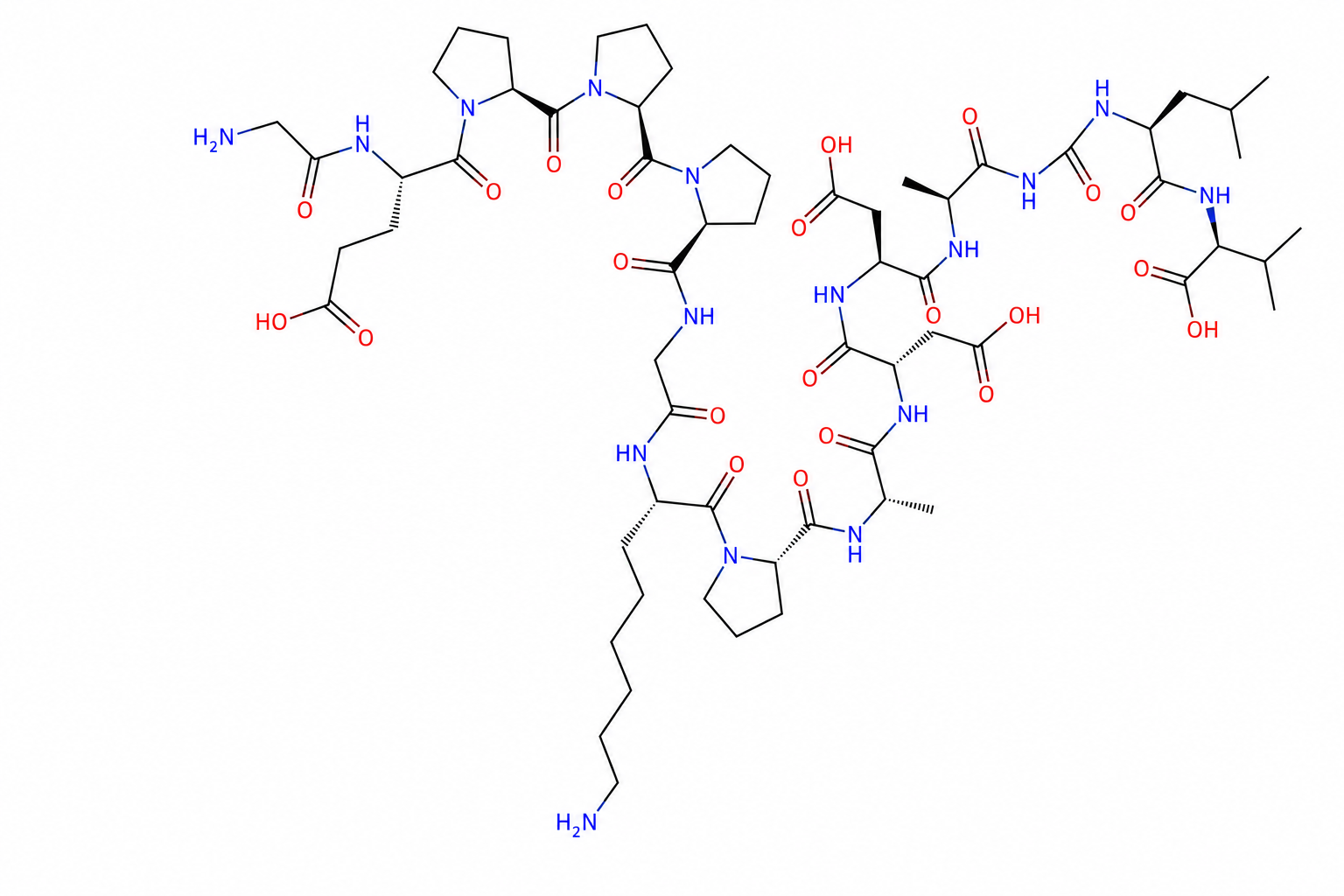
BPC-157 is a synthetic pentadecapeptide studied for cytoprotective signaling, collagen organization, tendon and ligament research models, angiogenesis, and nitric-oxide pathway interaction.
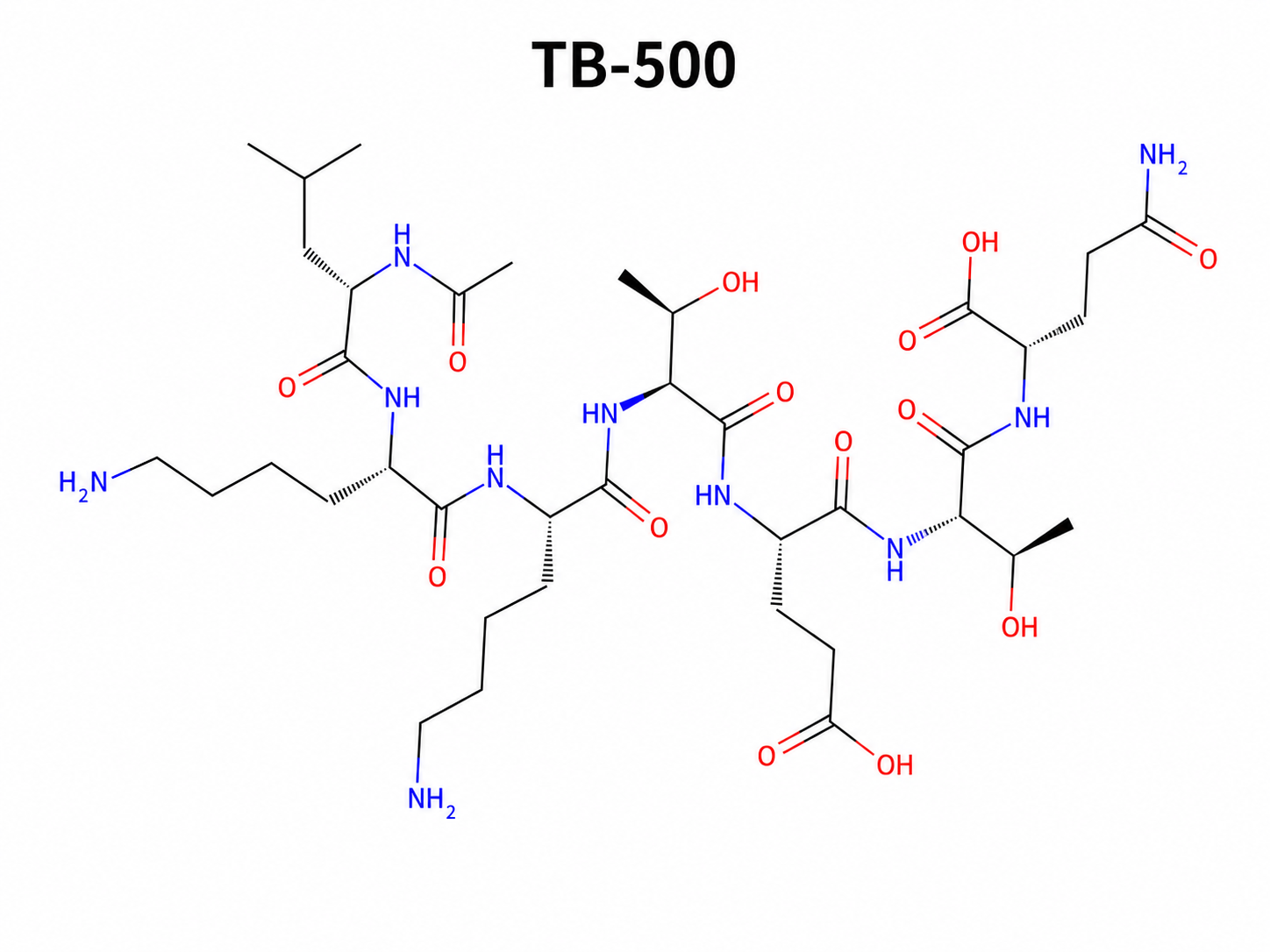
TB-500 is a synthetic thymosin beta-4-related fragment studied for actin regulation, cellular migration, angiogenic signaling, and cytoskeletal remodeling.
Together, the GLOW™ Blend provides a research platform for studying how copper-peptide signaling, cytoprotective peptide activity, and actin-related cellular movement pathways may be examined within controlled dermatological, connective-tissue, vascular, and regenerative-biology models.
Certificate of Analysis
Third-party testing documentation available for purity and analytical verification.
GLOW™ Blend Research Overview
The GLOW™ Blend combines three research peptides that are often discussed in regenerative biology, skin physiology, wound-response models, vascular signaling, and extracellular matrix research.
GHK-Cu is studied for its relationship with collagen and elastin regulation, glycosaminoglycan synthesis, fibroblast activity, copper-dependent signaling, antioxidant-response pathways, and gene-expression modulation.
BPC-157 is studied for its connection to fibroblast migration, tendon-cell activity, collagen regulation, endothelial response, nitric-oxide signaling, gastrointestinal resilience, and cytoprotective pathways.
TB-500 is studied in relation to thymosin beta-4 biology, especially actin binding, cytoskeletal organization, cellular migration, angiogenesis, and wound-response signaling.
When discussed together in research contexts, these peptides represent three complementary areas of investigation: structural matrix support, vascular remodeling, and cellular repair signaling.
History and Development
The rationale behind the GLOW™ Blend comes from several independent lines of peptide research.
GHK-Cu was first identified during research into human plasma factors associated with cell growth and survival. Its copper-binding form became a major subject of research because copper is involved in enzyme activity, connective-tissue formation, oxidative balance, and cellular signaling.
BPC-157 was synthesized as a stable gastric peptide fragment and later became widely studied in preclinical models involving tissue integrity, vascular signaling, tendon and ligament research, gastrointestinal models, and cytoprotective response.
Thymosin beta-4 research began with studies of thymic peptides and later expanded into actin regulation, cell migration, angiogenesis, and wound-response biology. TB-500 is commonly described as the N-acetylated 17–23 fragment of thymosin beta-4, also written as Ac-LKKTETQ.
The GLOW™ Blend brings these research pathways together into one formulation for studying skin-related biology, connective-tissue signaling, cellular migration, extracellular matrix remodeling, and vascular response models.
GLOW™ Blend Profile
GHK-Cu Structure
BPC-157 Structure
TB-500 Structure
Research Findings
The individual peptides in the GLOW™ Blend have been studied across structural, dermatological, vascular, cellular, and systemic research models. The main research interest centers on how these compounds relate to tissue remodeling, matrix organization, vascular response, and cellular repair signaling.
Key Areas of Investigation
- Structural Research: Collagen synthesis, elastin regulation, extracellular matrix organization, tendon and ligament models, connective-tissue signaling, and matrix remodeling.
- Dermatological Research: Skin physiology, wound-response models, epithelial remodeling, dermal fibroblast activity, hair-follicle signaling, and tissue-repair pathways.
- Vascular Research: Angiogenesis, endothelial response, nitric-oxide signaling, vascular remodeling, and growth-factor-related pathways.
- Cellular Research: Fibroblast migration, actin regulation, cytoskeletal dynamics, cell survival signaling, oxidative-stress response, and cellular repair models.
- Systemic Research: Cytoprotection, inflammatory-response modulation, biological resilience, tissue recovery signaling, and adaptive stress-response pathways.
Mechanism-Based Research Interest
The GLOW™ Blend is studied because its components connect several repair-related biological systems, including:
- Copper-dependent peptide signaling
- Collagen and elastin regulation
- Fibroblast activity and cellular migration
- Glycosaminoglycan and proteoglycan expression
- Actin remodeling and cytoskeletal organization
- Angiogenesis and vascular-response signaling
- Nitric-oxide pathway interaction
- Oxidative-stress and inflammatory-response models
- Extracellular matrix remodeling
This makes the GLOW™ Blend a useful research formulation for studying how multiple peptide-signaling pathways may relate to skin biology, connective-tissue research, vascular remodeling, and cellular repair mechanisms.
Investigational Research Context
The GLOW™ Blend should be considered an investigational research formulation. Available research mainly examines GHK-Cu, BPC-157, and thymosin beta-4/TB-500-related mechanisms individually. Findings should not be interpreted as approved therapeutic, cosmetic, or clinical outcomes for the blend.
This product is supplied for laboratory research only and is not intended for human consumption, clinical use, veterinary use, or self-experimentation.
Scientific References
View References
- Pickart L. & Thaler M.M. (1973) — Tripeptide in human serum which prolongs survival of normal liver cells and stimulates growth in neoplastic liver.
- Freedman J.H. et al. (1982) — Structure of the glycyl-L-histidyl-L-lysine-copper(II) complex in solution.
- Wegrowski Y. et al. (1992) — Stimulation of sulfated glycosaminoglycan synthesis by the tripeptide-copper complex glycyl-L-histidyl-L-lysine-Cu²⁺.
- Pickart L. et al. (2015) — GHK peptide as a natural modulator of multiple cellular pathways in skin regeneration.
- Pickart L. & Margolina A. (2018) — Regenerative and protective actions of the GHK-Cu peptide in the light of new gene data.
- Sikiric P. et al. (1993) — Pentadecapeptide BPC 157 and gastric protection research.
- Chang C-H. et al. (2011) — The promoting effect of pentadecapeptide BPC 157 on tendon healing involves tendon outgrowth, cell survival, and cell migration.
- Chang C-H. et al. (2014) — Pentadecapeptide BPC 157 enhances growth hormone receptor expression in tendon fibroblasts.
- Seiwerth S. et al. (2021) — Stable gastric pentadecapeptide BPC 157 and wound healing.
- Esposito S. et al. (2012) — Synthesis and characterization of the N-terminal acetylated 17–23 fragment of thymosin beta-4 identified in TB-500.
- Philp D. et al. (2003) — The actin binding site on thymosin beta-4 promotes angiogenesis.
- Philp D. et al. (2003) — Thymosin beta-4 and a synthetic peptide containing its actin-binding domain promote dermal wound repair.
- Smart N. et al. (2007) — Thymosin beta-4 and angiogenesis: modes of action and therapeutic potential.
Need Help?