Peptides & Golf Performance: What Serious Golfers Are Researching for Recovery, Focus, and Longevity
Let's paint the picture.
He's a 48-year-old 8 handicap.
Still long off the tee. Still competitive. Still grinding.
But now:
The back tightens up after 18.
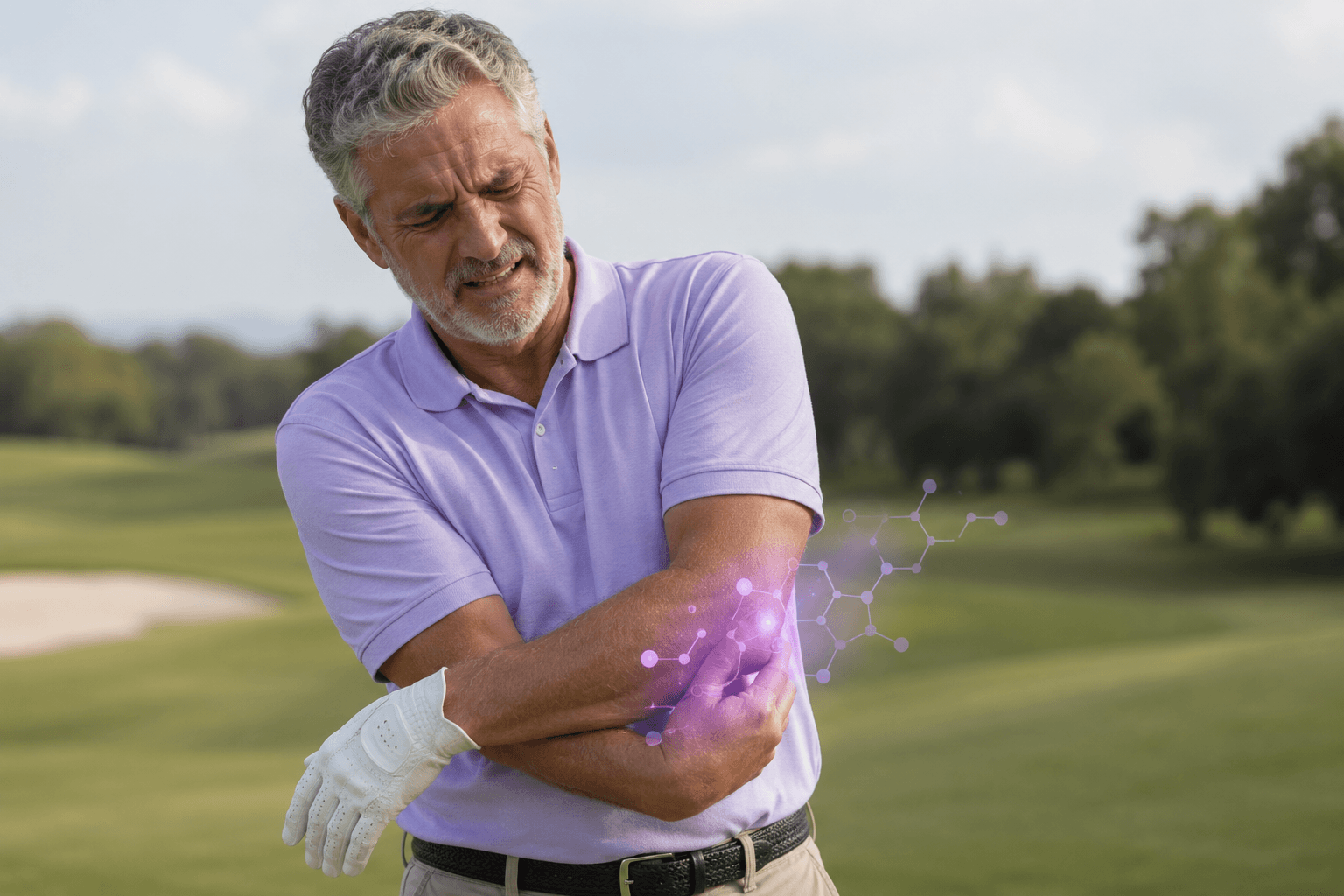
The elbow nags after range sessions.
Recovery from leg day lingers into the weekend round.
Focus fades on the back nine.
This isn't about ego.
It's about physiology.
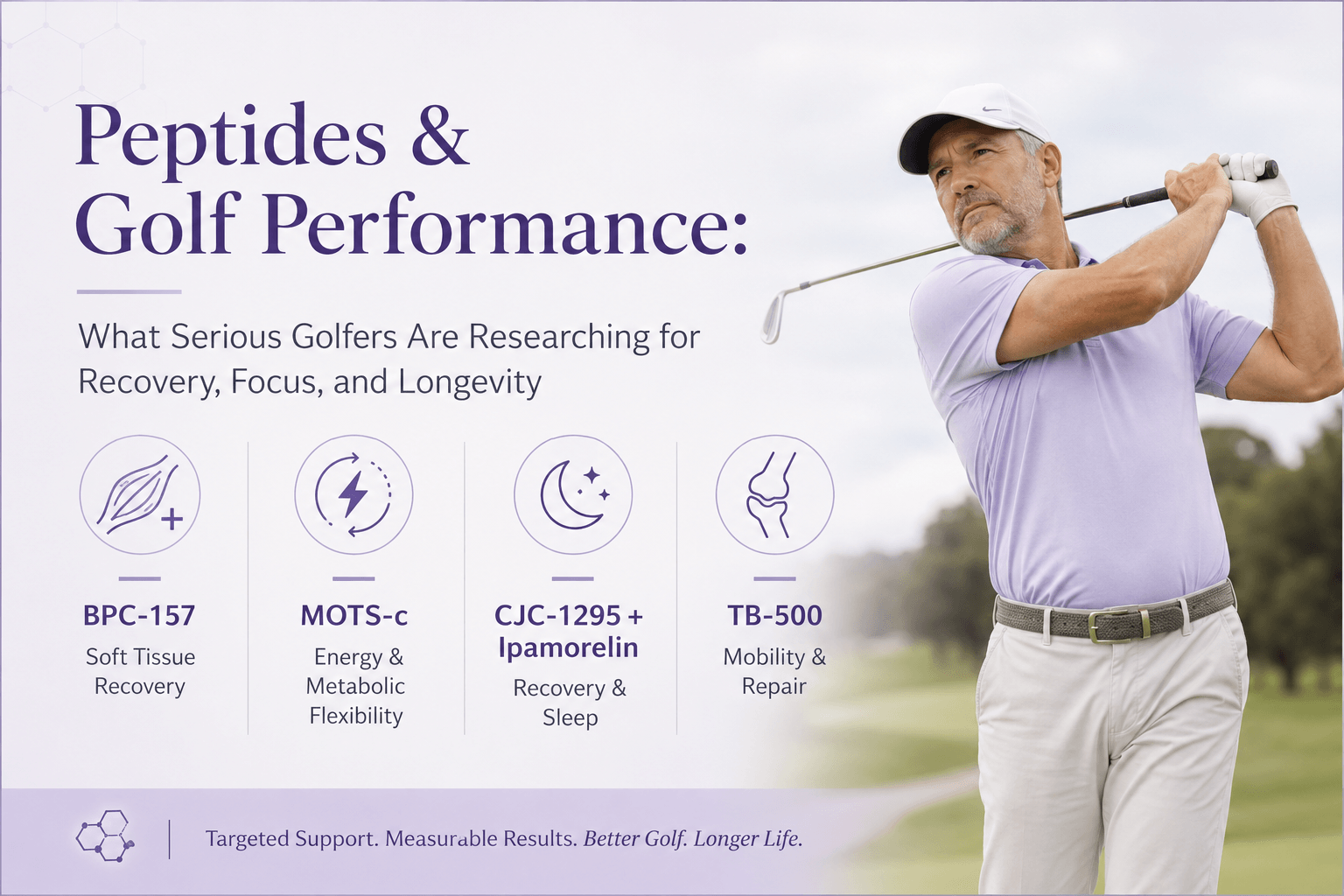
Golf may look smooth, but it involves violent rotational torque repeated thousands of times per season. The average tour-level swing generates clubhead speeds exceeding 110 mph — and for recreational golfers grinding out 70–80 rounds per year, the cumulative stress on the lumbar spine, hips, elbows, wrists, and rotator cuff is substantial. Add travel schedules, inconsistent sleep, business stress, and aging biology — and the body begins to demand more support than it did at 30.
So what are serious, health-conscious golfers researching today? A growing segment of the over-40 athletic population is turning to peptide science — studying how specific amino acid sequences interact with the body's own repair, growth, and metabolic signaling pathways.
This educational guide explores peptide research for golf performance, including recovery, focus, endurance, mobility, sleep quality, longevity, and body composition: what the science says, what researchers have found, and what remains unknown.
1️⃣ BPC-157 – Soft Tissue Recovery Research
BPC-157 (Body Protection Compound-157) is a synthetic pentadecapeptide composed of 15 amino acids. It originates from a stable fragment of a protein found in human gastric juice, first synthesized in the early 1990s during investigations into cytoprotective gastric proteins. Unlike many peptides that degrade quickly in biological environments, BPC-157 demonstrates unusual stability across a range of pH levels and temperatures.
In animal models, BPC-157 has demonstrated potential roles in:
- Tendon-to-bone healing: Multiple studies in rodent models show enhanced tendon repair, with upregulation of early growth response factor (EGR1/Egr-1) — a transcription factor linked to tendon cell differentiation and collagen synthesis.
- Ligament repair acceleration: Research by Staresinic et al. (2003) demonstrated improved medial collateral ligament healing in rats treated with BPC-157 compared to controls.
- Angiogenesis: BPC-157 appears to upregulate VEGFR2 expression, stimulating the formation of new blood vessels that are essential for delivering nutrients and removing waste from injured tissue.
- Nitric oxide modulation: The compound interacts with the nitric oxide (NO) system, which plays a role in vasodilation, cellular signaling, and tissue protection.
- Inflammatory signaling reduction: Several preclinical studies suggest BPC-157 downregulates pro-inflammatory cytokines while preserving protective biological responses.
- Extracellular matrix remodeling: Research indicates involvement in collagen organization and matrix metalloproteinase (MMP) regulation — key processes in structural tissue repair.
Why golfers research it: Golfer's elbow (medial epicondylitis), rotator cuff tendinitis, low-back muscle strain, hip flexor tightness, and wrist tendon irritation are among the most common complaints in the sport. The interest in BPC-157 centers on whether its connective tissue signaling effects — well-documented in animal models — may have translational relevance in human athletic tissue recovery. It is worth noting that large randomized controlled human trials remain limited, and most evidence is preclinical.
Key Research References
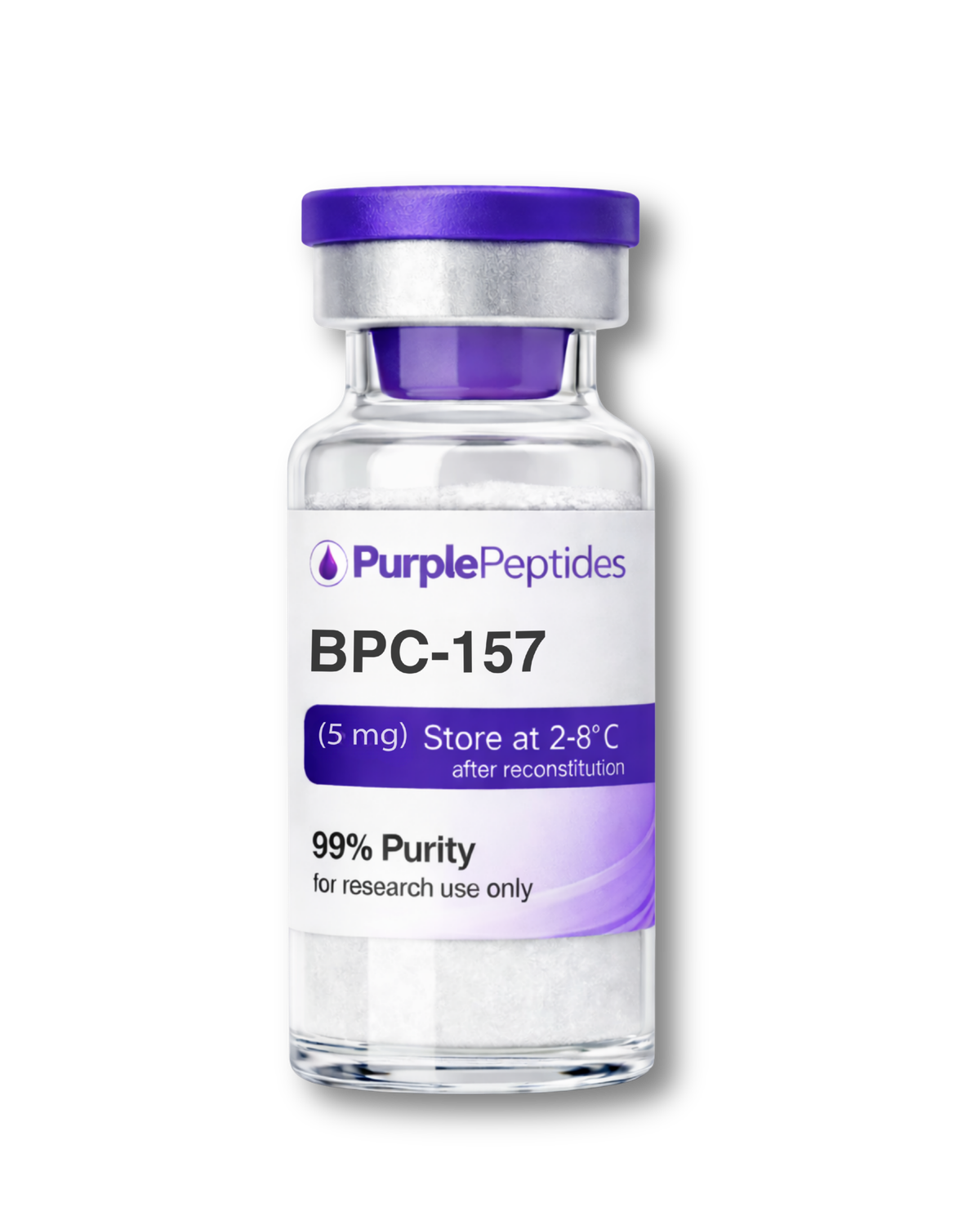
BPC-157
5 mg lyophilized powder · 99% purity verified · Batch-tested COA · Ships same day from USA
For research purposes only. Not for human or animal consumption.
2️⃣ MOTS-c – Energy, Endurance & Metabolic Flexibility
Golf is not just explosive power — it requires sustained mental and metabolic output across four to five hours of uninterrupted activity. Walking a hilly 18-hole course can cover 5–7 miles, and maintaining consistent swing mechanics demands neuromuscular precision late into a round when fatigue compounds. This is where cellular energy systems become central to performance.
MOTS-c is a 16-amino acid peptide with a uniquely unusual origin: it is encoded within the mitochondrial genome — specifically within the 12S ribosomal RNA gene — and translated in the cytoplasm. This discovery, published by Lee et al. in 2015, fundamentally changed our understanding of mitochondria as active signaling organelles, not merely passive energy factories.
MOTS-c activates AMP-activated protein kinase (AMPK), a master regulator of cellular energy metabolism that responds to low ATP states by switching on catabolic pathways that generate more energy and switching off anabolic pathways that consume it.
Animal and in vitro studies have shown:
- Improved glucose utilization: MOTS-c increases glucose uptake in skeletal muscle independently of insulin, which has implications for sustained energy availability during prolonged low-to-moderate intensity exercise like golf walking.
- Enhanced exercise capacity: Reynolds et al. (2019, Nature Communications) demonstrated that MOTS-c-treated mice showed significantly increased running endurance and improved oxygen utilization.
- Metabolic stress adaptation: The peptide appears to upregulate antioxidant defense pathways and reduce mitochondrial reactive oxygen species (ROS) — byproducts of cellular respiration that accumulate under exercise stress and contribute to fatigue.
- Age-related metabolic decline: Research by Kim et al. (2018) suggests circulating MOTS-c levels decline with age, correlating with reduced metabolic flexibility — the ability to efficiently switch between fuel sources (carbohydrate vs. fat).
- Insulin sensitivity: Multiple studies suggest MOTS-c improves peripheral insulin sensitivity in preclinical models, relevant to stable blood glucose regulation during long rounds.
Why golfers research it: The combination of improved mitochondrial efficiency, glucose utilization, and fatigue resistance is directly relevant to the demands of golf — especially for players over 40 where natural mitochondrial function and MOTS-c levels decline. Human clinical data remains early-stage, but the mechanistic case is compelling for research interest.

Key Research References
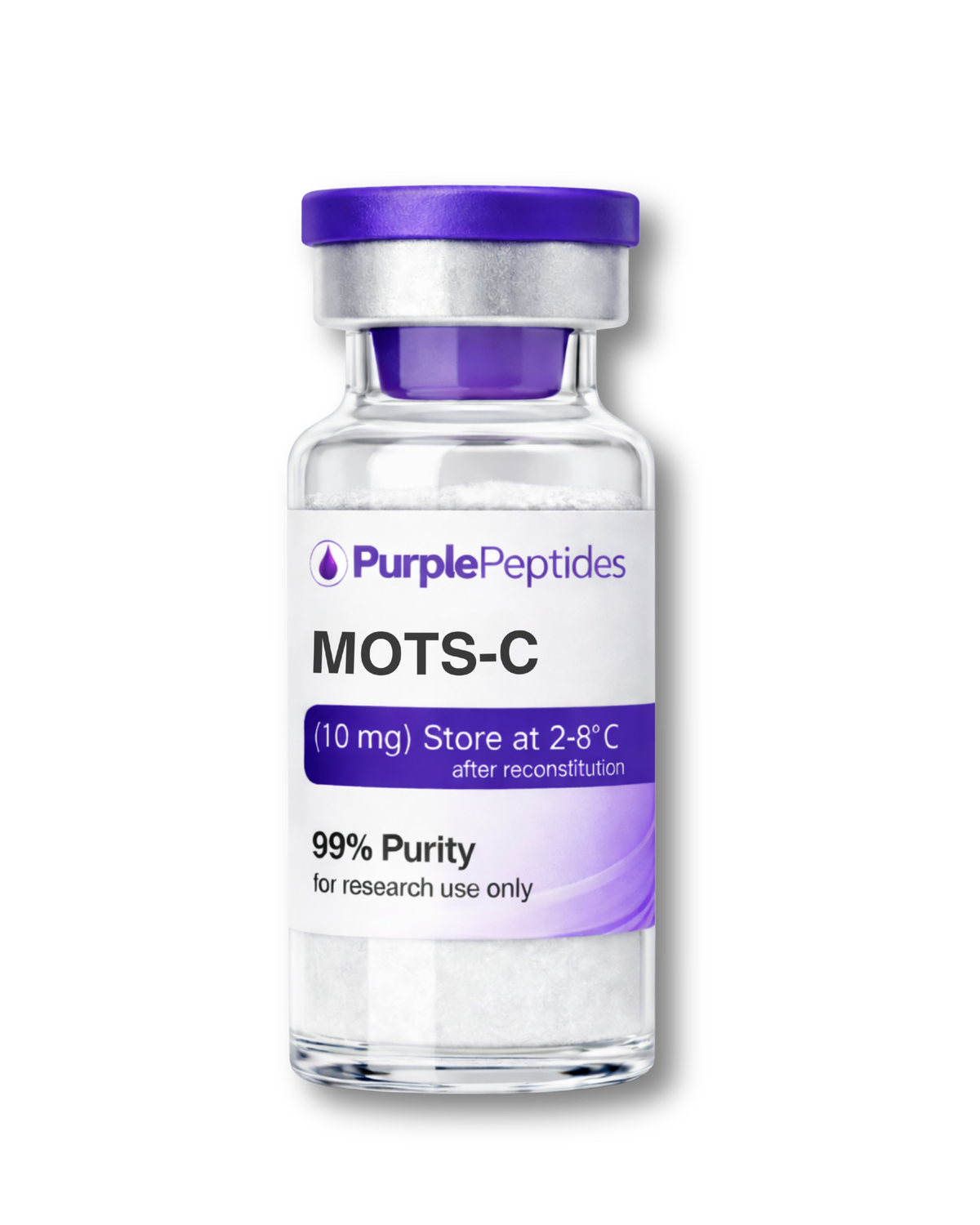
MOTS-c
10 mg lyophilized powder · 99% purity verified · Batch-tested COA · Ships same day from USA
For research purposes only. Not for human or animal consumption.
3️⃣ CJC-1295 + Ipamorelin – Recovery & Sleep Research
Growth hormone (GH) is one of the body's most powerful recovery and tissue-regeneration signals. It drives protein synthesis, stimulates IGF-1 production (which mediates many of GH's anabolic effects), supports connective tissue turnover, and regulates the deep, restorative stages of sleep where the majority of physical repair occurs.
The problem: GH secretion declines dramatically with age. Peak GH output occurs in late adolescence and early adulthood. By age 40, most individuals have 50% less GH output than they did at 20, and by 60, the decline approaches 70–80%. This directly affects recovery capacity, lean mass maintenance, connective tissue quality, and sleep architecture — all critical for competitive golf performance.
CJC-1295 and Ipamorelin target this decline through two distinct but complementary receptor pathways:
- CJC-1295 is a modified analog of Growth Hormone-Releasing Hormone (GHRH). GHRH is the brain's signal to the pituitary to produce GH. Native GHRH degrades rapidly in circulation. CJC-1295 incorporates a Drug Affinity Complex (DAC) technology that binds it to albumin in plasma, extending its half-life from minutes to days and creating sustained GHRH signaling. Teichman et al. (2006) demonstrated dose-dependent, sustained elevation of GH and IGF-1 in human subjects over multiple days after a single injection.
- Ipamorelin is a highly selective ghrelin receptor (GHS-R1a) agonist. Ghrelin is the stomach's hunger signal that also triggers pulsatile GH release. Ipamorelin mimics ghrelin's GH-releasing effect with exceptional selectivity — studies show it stimulates GH release with minimal effect on cortisol or prolactin, unlike earlier GH secretagogues. Svensson et al. (1998) demonstrated Ipamorelin's specificity and clean hormonal profile in preclinical models.
Why this combination is researched together: CJC-1295 (GHRH pathway) and Ipamorelin (ghrelin/GHS pathway) work on distinct pituitary receptor systems, producing additive or synergistic GH release when combined. Research models suggest the pairing produces more physiologically robust GH pulses than either compound alone, while maintaining the normal pulsatile pattern rather than the constant elevation seen with exogenous GH administration.
Golfers researching this combination often cite potential interest in:
- Improved deep sleep quality and sleep architecture (GH secretion is tightly coupled to slow-wave sleep)
- Enhanced soft tissue and connective tissue turnover between rounds and training sessions
- Lean mass maintenance and body composition over time
- Reduced morning soreness and stiffness after heavy range sessions or tournament play
- Improved IGF-1 signaling, which supports muscle protein synthesis and cellular repair

Key Research References
- Teichman SL et al. (2006) — CJC-1295 human GH/IGF-1 study, J Clin Endocrinol Metab
- Svensson J et al. (1998) — Ipamorelin specificity study, J Endocrinol
- Lapierre SS et al. (2006) — GHRH + GHRP combination effects, Am J Physiol
- Culler MD et al. (2002) — GH secretagogue receptor research, Neuroendocrinology
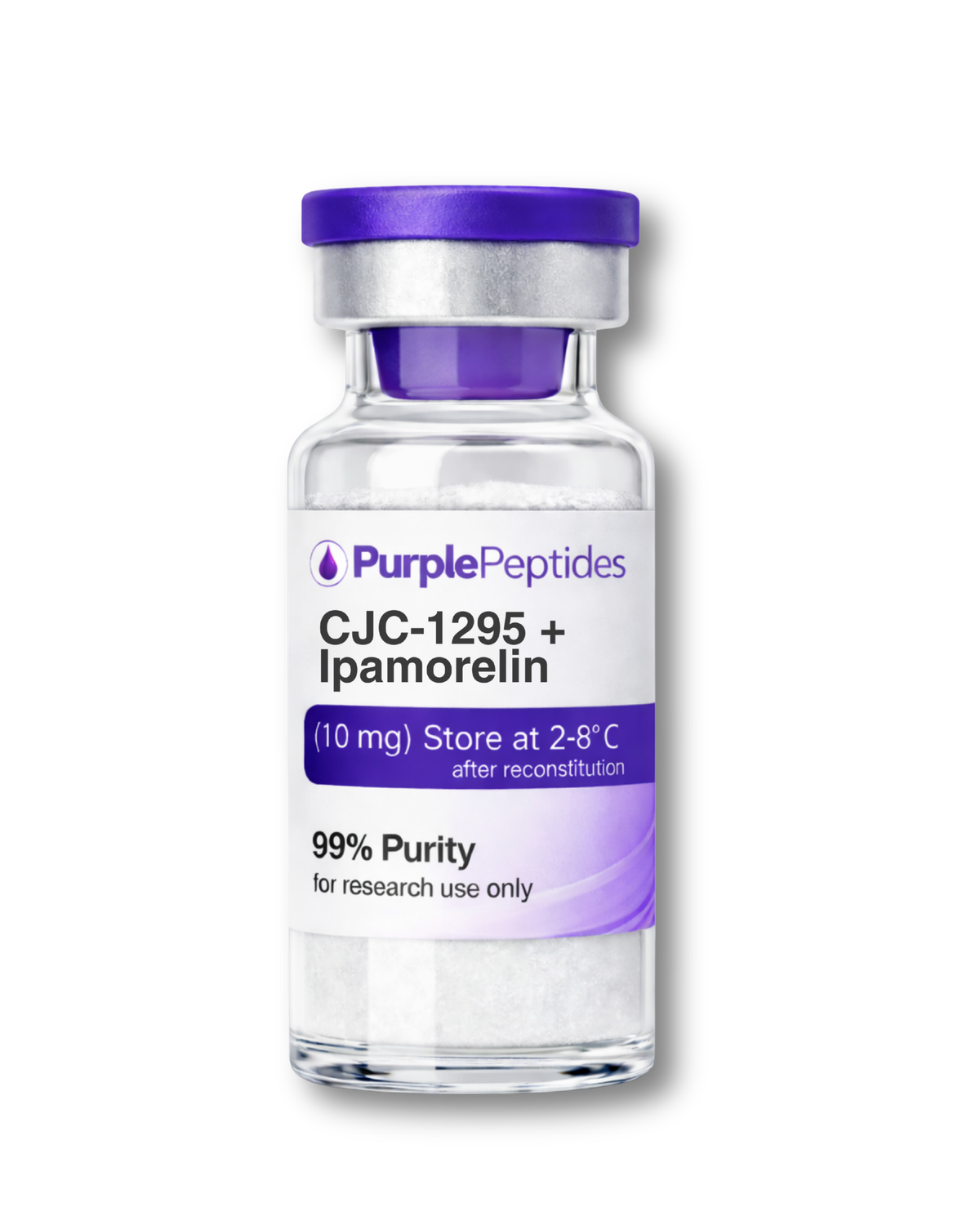
CJC-1295 + Ipamorelin
10 mg blend · 99% purity verified · Dual COA (CJC-1295 & Ipamorelin) · Ships same day from USA
For research purposes only. Not for human or animal consumption.
4️⃣ TB-500 – Mobility & Tissue Repair Research
TB-500 is a synthetic peptide fragment modeled after Thymosin Beta-4 (Tβ4), a 43-amino acid protein found in virtually every cell in the human body. Tβ4 was first isolated in the 1960s during thymus research, but its biological significance expanded dramatically when researchers discovered it was one of the most abundant proteins in mammalian cells — and that it plays a central role in actin dynamics, cell migration, and tissue repair.
Actin is the most abundant protein in eukaryotic cells and forms the structural scaffolding of the cytoskeleton. Tβ4 (and by extension TB-500) binds to G-actin monomers, regulating their availability for polymerization into F-actin filaments. This regulation is fundamental to:
- Cell migration: Cells moving to the site of injury require dynamic actin reorganization — a process Tβ4 directly facilitates. This is critical for the early phases of tissue repair when immune cells, fibroblasts, and endothelial cells must migrate to damaged areas.
- Angiogenesis: Multiple studies have demonstrated that Tβ4 and TB-500 stimulate new blood vessel formation — essential for delivering oxygen and nutrients to repairing tissue. Goldstein et al. (2005) demonstrated Tβ4's role in endothelial cell differentiation and vessel formation.
- Anti-inflammatory activity: Research suggests TB-500 downregulates several pro-inflammatory transcription factors and cytokines, potentially reducing the destructive phase of inflammation while preserving the regenerative phase.
- Collagen and extracellular matrix remodeling: TB-500 appears to modulate matrix metalloproteinase (MMP) activity — enzymes that break down and rebuild the extracellular matrix, which forms the structural scaffolding of connective tissue.
- Cardiac tissue research: Bock-Marquette et al. (2004, Nature) demonstrated Tβ4's role in cardiac cell survival and regeneration after injury — an area of significant ongoing pharmaceutical research.
The TB-500 difference from BPC-157: Both compounds are studied for tissue repair, but their mechanisms are distinct. BPC-157 works primarily through growth factor and NO system modulation, while TB-500 operates through cytoskeletal and actin-binding pathways. They are frequently studied together for this reason — targeting complementary aspects of the repair cascade. Purple Peptides offers a combined BPC-157 + TB-500 blend for researchers interested in this pairing.
Why rotational athletes research it: Golf's violent torque creates micro-damage in muscle fibers, tendons, and fascial tissue. TB-500's mechanisms related to cell migration, angiogenesis, and extracellular matrix remodeling are directly relevant to recovery from this type of mechanical stress. Research interest focuses on improved mobility, reduced stiffness, and faster tissue turnover between practice sessions and rounds.
Key Research References
- Goldstein AL et al. (2005) — Tβ4 and angiogenesis, Ann NY Acad Sci
- Goldstein AL, Hannappel E et al. (2012) — Tβ4 biological functions review, Expert Opin Biol Ther
- Bock-Marquette I et al. (2004) — Cardiac repair mechanisms, Nature
- Philp D et al. (2003) — Wound healing and cell migration, J Cell Sci
- Malinda KM et al. (1999) — TB-500 corneal repair model, J Invest Dermatol
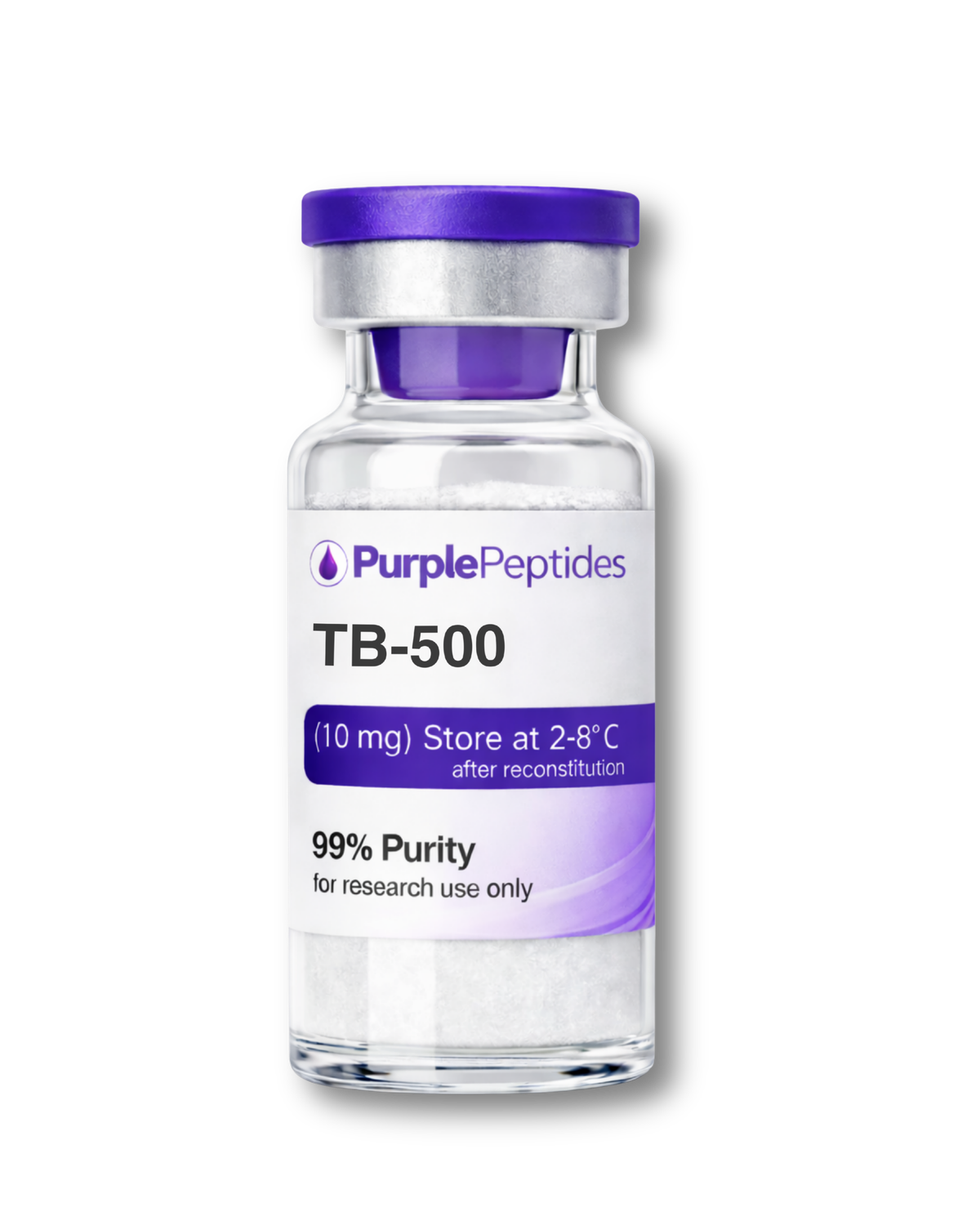
TB-500
10 mg lyophilized powder · 99% purity verified · Batch-tested COA · Ships same day from USA
For research purposes only. Not for human or animal consumption.
5️⃣ Semaglutide / Tirzepatide – Body Composition Research
These compounds occupy a different category from the recovery-focused peptides above. Semaglutide and Tirzepatide are GLP-1 receptor agonists (and in Tirzepatide's case, also a GIP receptor agonist) that were originally developed as Type 2 diabetes treatments before demonstrating extraordinary body composition effects in large clinical trials.
They are not sports performance enhancers in the traditional sense — their mechanism is metabolic regulation, appetite modulation, and insulin sensitization. But for a 48-year-old golfer carrying 25 extra pounds of visceral fat, the performance implications of body composition change are real:
- Rotational efficiency: Excess abdominal mass creates a mechanical disadvantage in the golf swing, restricting hip-shoulder separation (X-factor) and limiting coil depth. Reduced visceral fat directly improves rotational range of motion.
- Lower back stress reduction: Visceral adiposity is associated with anterior pelvic tilt and lumbar hyperextension — postural compensations that increase L4-L5 stress during the golf swing. Body composition improvement addresses this biomechanical issue at the root.
- Metabolic health markers: Improved insulin sensitivity, reduced HbA1c, and lower triglycerides all support the sustained energy levels and cardiovascular efficiency required for competitive golf.
- Inflammation reduction: Adipose tissue — particularly visceral fat — is metabolically active, secreting pro-inflammatory cytokines (adipokines) that contribute to systemic inflammation. Reducing fat mass can lower baseline inflammatory burden, potentially improving recovery.
The clinical evidence is robust: The STEP-1 trial (semaglutide, 2021) demonstrated approximately 15% average body weight reduction in obese participants over 68 weeks. The SURMOUNT-1 trial (tirzepatide, 2022) showed up to 20.9% average weight reduction — the largest ever seen for a non-surgical weight intervention in a clinical trial.
These are prescription medications approved by the FDA for obesity and Type 2 diabetes management. They require physician supervision, carry known side effect profiles (primarily GI), and are subject to evolving regulatory frameworks. Their inclusion here is for educational context on the research landscape — not as performance supplements.
Key Research References
Tirz / GLP-1 Compounds
Check current availability · 99% purity standard · Batch-tested COA · Ships same day from USA when in stock
For research purposes only. Not for human or animal consumption.
What Does a Golfer Actually Need? A Framework
Breaking down the physiological demands of competitive amateur golf reveals three primary biological bottlenecks that accumulate with age:
- Connective tissue integrity — The structural scaffolding of the swing: tendons, ligaments, fascia, cartilage. Degrades with age, high repetition volume, and inadequate recovery. → BPC-157, TB-500
- Recovery and hormonal support — The speed at which the body rebuilds after stress. GH/IGF-1 decline is central to slowed recovery after 40. → CJC-1295 + Ipamorelin
- Cellular energy metabolism — Mitochondrial efficiency, glucose utilization, fatigue resistance over a full round. → MOTS-c
Body composition management (where relevant) operates as a fourth axis — not targeting performance directly, but removing biomechanical and metabolic impediments to it. GLP-1 therapies operate in this space under physician supervision.
Important Reality Check
It would be misleading to present peptide research without acknowledging its limitations:
- Most evidence is preclinical. The majority of compelling data for BPC-157, TB-500, and MOTS-c comes from rodent and in vitro models. Translation to human biology is not guaranteed — many compounds that succeed in animal models do not replicate those effects in human trials.
- Human randomized controlled trials are limited. CJC-1295 has some human clinical data (Teichman et al., 2006). MOTS-c has emerging human data. BPC-157 and TB-500 lack large-scale human RCTs in athletic populations.
- Long-term safety data is limited. We do not yet have robust long-term safety profiles for most research peptides in healthy human populations.
- Regulatory status varies. Competitive golfers should be aware of WADA and anti-doping regulations that may restrict experimental substances in sanctioned competition.
The Bigger Picture for Golfers
The real performance unlock is not a vial. No compound compensates for structural deficits in movement, recovery, or preparation. The non-negotiable foundations remain:
- Strength training — Especially rotational and hip-dominant patterns. The swing is a ground-force expression. Weakness there limits everything.
- Mobility work — Thoracic rotation, hip internal rotation, and hip flexor length are the three mobility parameters most correlated with swing efficiency and injury prevention.
- Sleep quality — GH secretion peaks during deep sleep. Shortchanging sleep undermines recovery regardless of supplementation.
- Nutrition and hydration — Collagen synthesis requires adequate vitamin C, proline, and glycine. Energy systems require consistent carbohydrate availability.
- Stress management — Cortisol is catabolic. Chronic stress elevates baseline cortisol, suppresses GH pulsatility, and impairs tissue repair.
Peptides in research settings are being studied as potential tools that may support and optimize those systems — not replace them. The serious golfer who has already mastered the fundamentals may find the research on these compounds directly relevant to their next margin of improvement.
Key Takeaways
- Golf places high repetitive rotational stress on connective tissue — tendons, ligaments, the lumbar spine — that accumulates significantly over an athletic lifetime.
- BPC-157 and TB-500 are among the most studied peptides for soft tissue recovery, operating through distinct but complementary mechanisms (growth factor/NO signaling vs. actin/cytoskeletal pathways).
- MOTS-c targets mitochondrial energy signaling via AMPK, with research suggesting improved metabolic flexibility and exercise capacity in preclinical models.
- CJC-1295 and Ipamorelin target two distinct pathways of physiologic growth hormone release, with human data supporting sustained GH and IGF-1 elevation relevant to recovery and sleep quality.
- GLP-1 therapies (semaglutide/tirzepatide) are not performance enhancers but have substantial clinical evidence supporting body composition improvement under physician supervision.
- Most research peptides remain investigational with limited large human RCT data. Foundational recovery strategies (sleep, training, nutrition) remain the most evidence-supported interventions.
For golfers over 40 who still want to compete hard, recovery becomes the game inside the game. Understanding the science behind how your body signals repair, regeneration, and resilience is the first step toward optimizing it.
Stay strong. Stay mobile. Stay informed.
And let science guide the conversation — not hype.