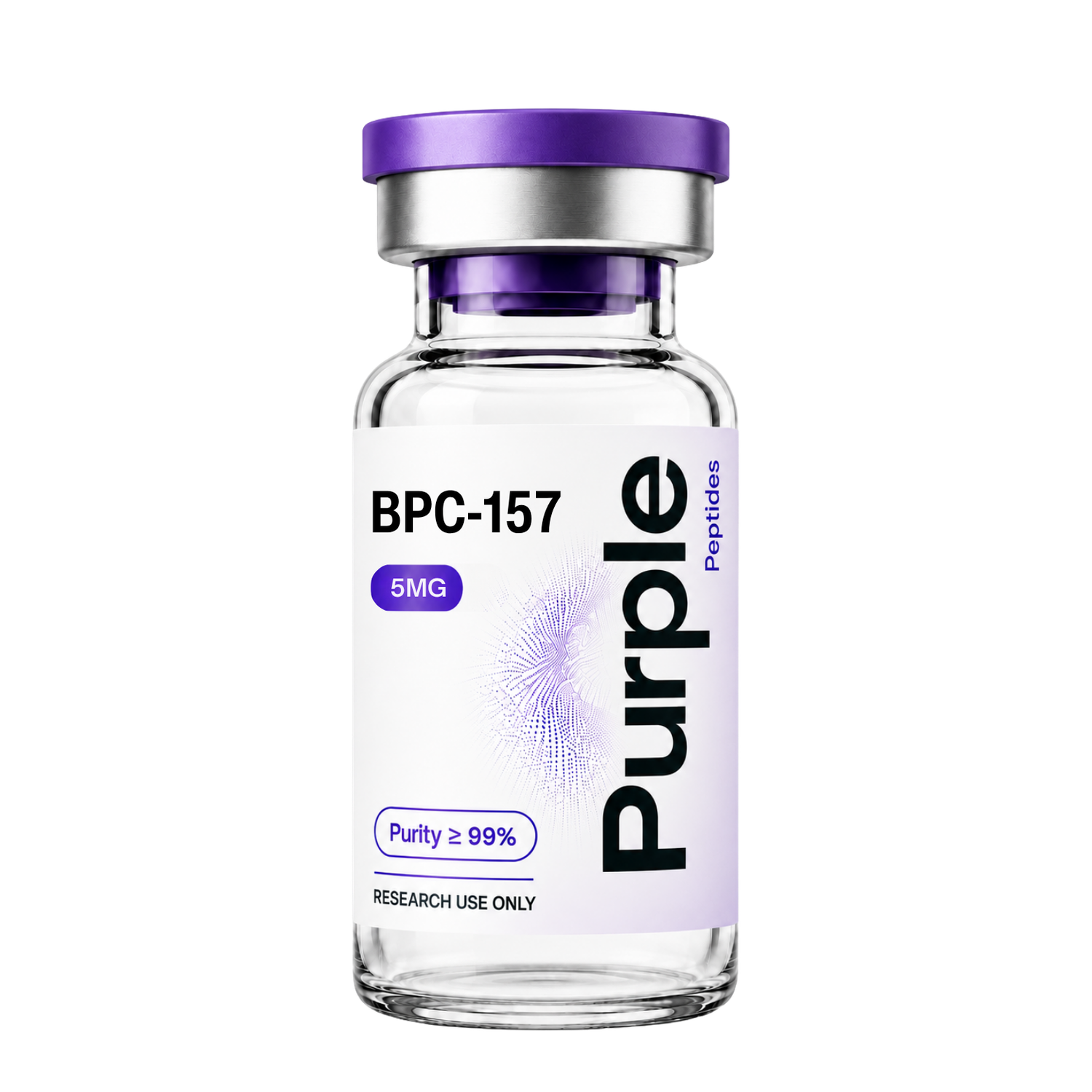
BPC-157
What is BPC-157?
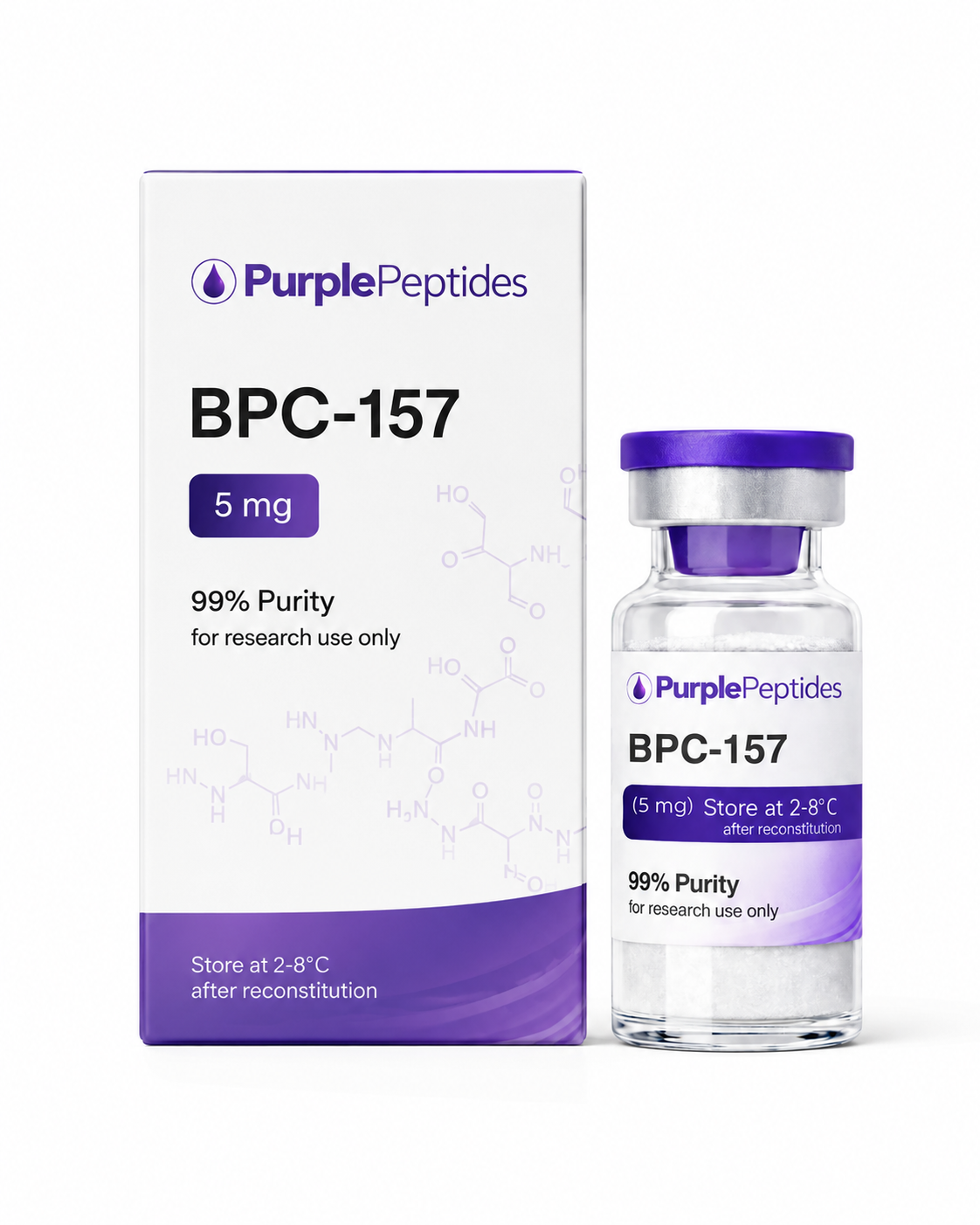
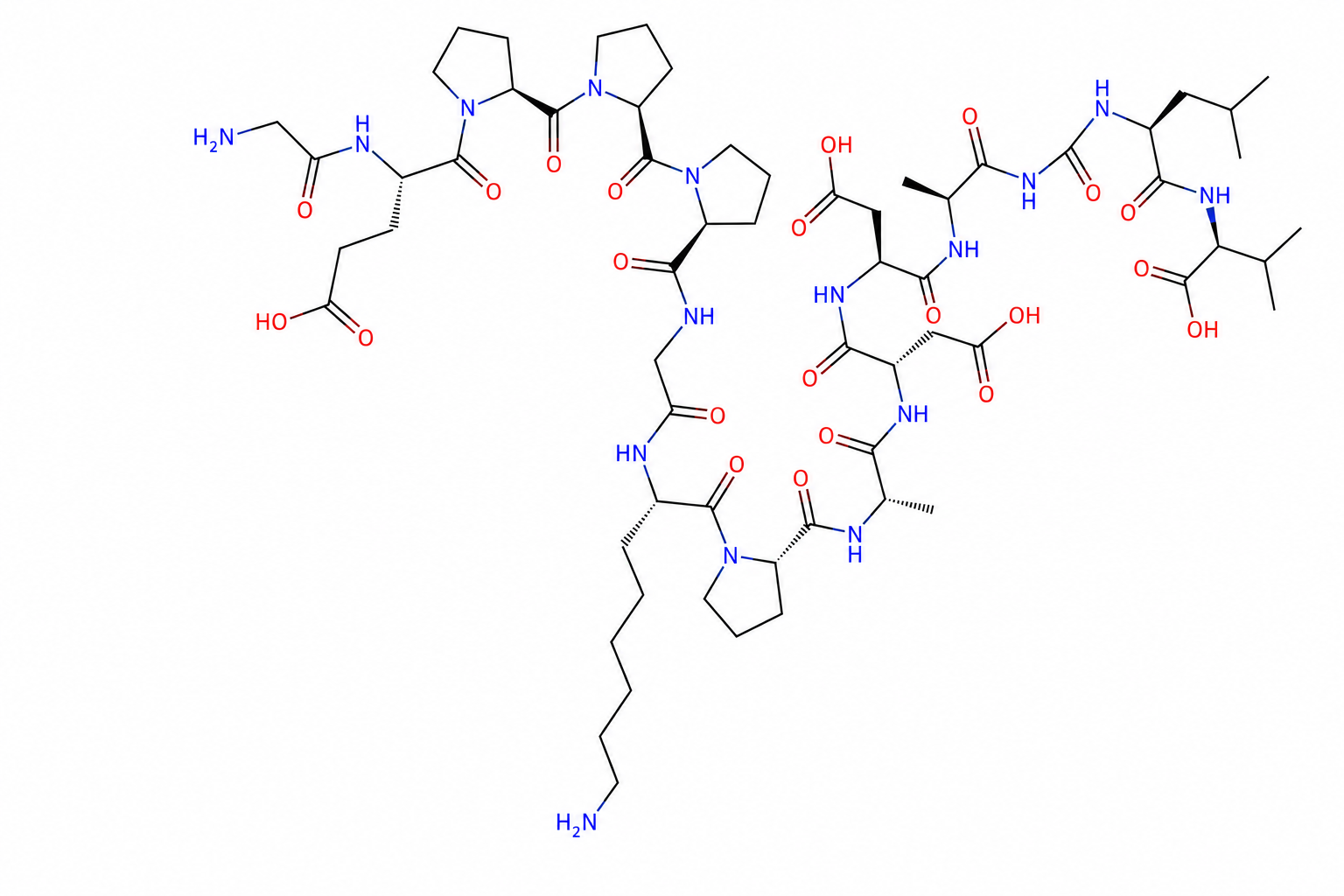
BPC-157, also known as Body Protection Compound-157, is a synthetic pentadecapeptide composed of 15 amino acids. It is modeled after a protective protein fragment associated with gastric juice and has become a widely studied compound in preclinical research.
In laboratory settings, BPC-157 is investigated for tissue-integrity models, angiogenic signaling, nitric-oxide pathways, collagen organization, cytoprotection, and cellular response under stress conditions.
Certificate of Analysis
Third-party documentation is available for BPC-157 purity and endotoxin review. Use the buttons below to open each file in a new tab.
BPC-157 Profile
BPC-157 Research Overview
BPC-157 is a 15-amino-acid peptide studied primarily in preclinical and laboratory models. Early research connected the peptide to gastric-protection models, while later studies expanded into musculoskeletal, vascular, neurological, dermatological, and systemic research areas.
Current scientific interest focuses on how BPC-157 may interact with pathways involved in collagen formation, fibroblast activity, angiogenesis, nitric-oxide signaling, inflammatory response, and tissue-remodeling processes.
BPC-157 should be considered investigational. Most available research is preclinical, and human clinical data remain limited.
Sikiric P. et al., 1993BPC-157 Structure
Key Areas of Investigation
BPC-157 has been evaluated across tendon, ligament, muscle, skin, gastrointestinal, vascular, and cellular-stress models. Published studies often discuss its relationship with fibroblast behavior, collagen regulation, angiogenesis, endothelial activity, nitric-oxide signaling, and cytoprotective response.
- Structural Research: Tendon, ligament, muscle, and extracellular-matrix models.
- Vascular Signaling: Angiogenesis, endothelial response, and nitric-oxide pathway activity.
- Dermal Models: Wound-closure, skin integrity, cellular migration, and tissue-remodeling research.
- Cytoprotection: Cellular resilience, gastric-protection models, and stress-response pathways.
These findings support BPC-157 as a versatile research compound for studying biological repair signaling, but they do not establish approved therapeutic use.
Seiwerth S. et al., 2021Pathways Discussed in BPC-157 Studies
- Fibroblast Activity: Studies have examined fibroblast migration, tendon-cell behavior, and growth-factor-related signaling.
- Angiogenesis: Research has discussed vessel formation, endothelial function, and vascular repair pathways.
- Nitric-Oxide Signaling: Published work has explored nitric-oxide-system interaction, vasomotor tone, and NO-related pathway modulation.
Investigational Research Context
BPC-157 is best understood as an investigational research compound. Although published studies and reviews discuss promising activity in preclinical models, available human data remain limited, and findings from animal or cell studies should not be directly translated into human outcomes.
This product is supplied for laboratory research only. It is not intended for human consumption, clinical use, veterinary use, or self-experimentation.
McGuire F.P. et al., 2025Scientific References
Need Help?