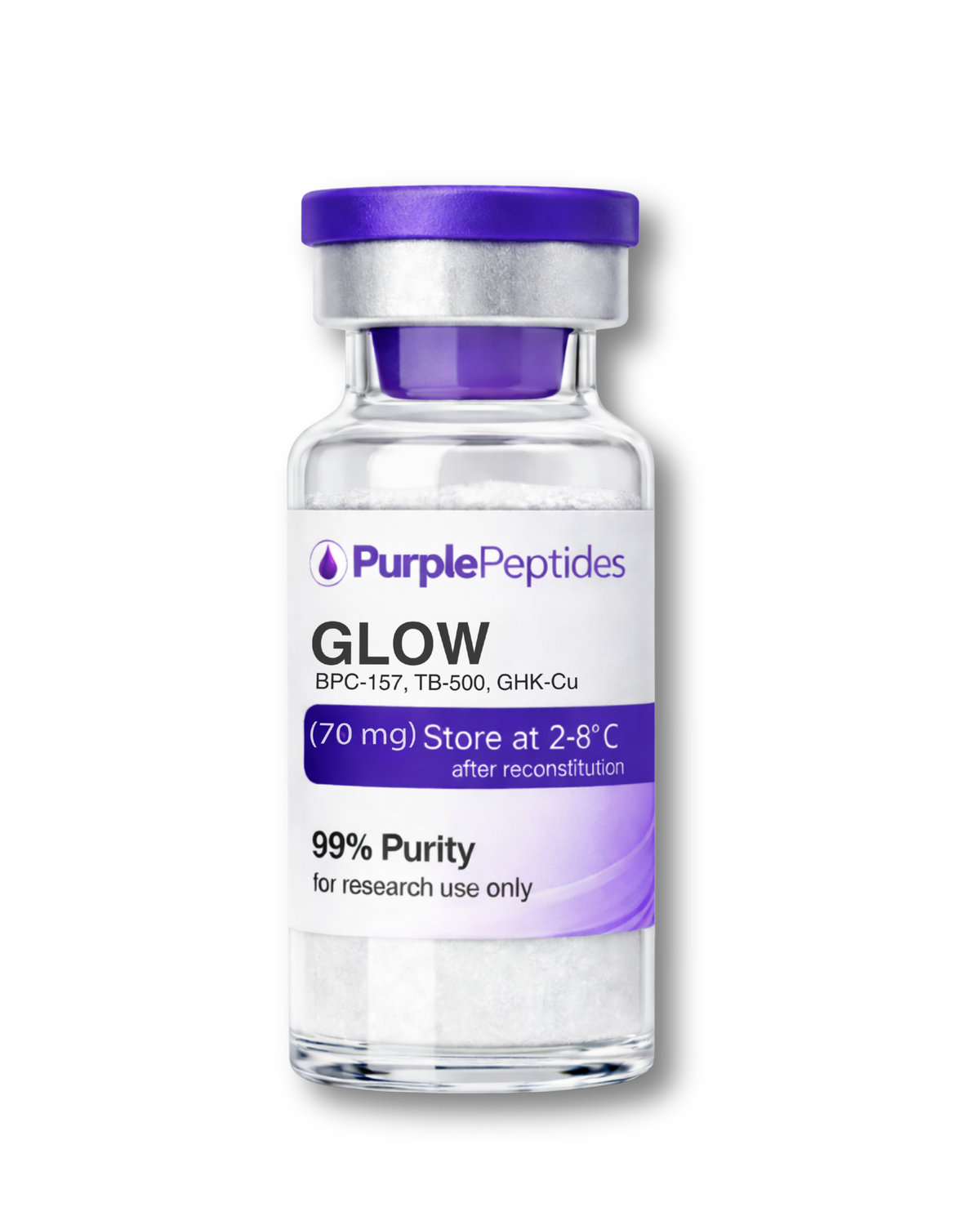
GLOW (BPC-157, TB-500, GHK-CU)
What Is the GLOW™ Blend?
The GLOW™ Blend is a multi-peptide research formulation composed of GHK-Cu, BPC-157, and TB-500—three peptides extensively studied for their roles in cellular regeneration, tissue remodeling, and cosmetic-focused research models. In laboratory and preclinical settings, this blend is investigated for its relevance to collagen organization, angiogenic signaling, oxidative stress modulation, and cellular repair pathways, particularly within skin, connective tissue, and vascular research.
Certificate of Analysis
Third-party tested for 99% purity
GLOW™ Blend Overview
The GLOW™ Blend combines three peptides that are individually well-documented in regenerative and dermatological research:
- GHK-Cu: a naturally occurring copper-binding tripeptide studied for gene expression modulation, collagen synthesis, and angiogenic signaling
- BPC-157: a synthetic gastric peptide fragment investigated for cytoprotection, collagen regulation, and tissue repair signaling
- TB-500: a synthetic fragment of thymosin beta-4, studied for cell migration, actin remodeling, and vascular development
Together, these peptides provide a research platform for exploring synergistic effects on tissue integrity, vascular regulation, and cellular recovery in laboratory and preclinical models.
Pickart L. et al., 2015History and Development
The rationale behind the GLOW™ Blend reflects decades of independent discoveries in regenerative peptide research:
- GHK-Cu was first identified in human plasma in the 1970s and later studied for its ability to regulate gene expression and extracellular matrix activity
- BPC-157 was synthesized in the 1990s as a stable gastric protein fragment analog and investigated for angiogenic and reparative pathways
- Thymosin beta-4 (Tβ4), from which TB-500 is derived, traces its origins to thymus peptide research in the 1960s and is recognized for its role in cell migration and angiogenesis
The GLOW™ Blend represents a convergence of these regenerative research lines into a single experimental formulation.
Sikiric P. et al., 1993GHK-Cu Structure
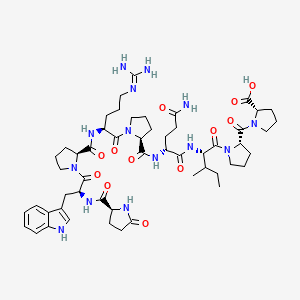
BPC-157 Structure
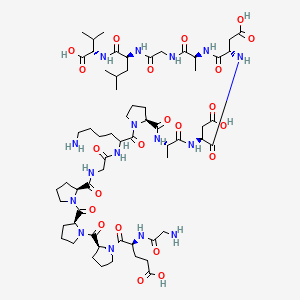
TB-500 Structure
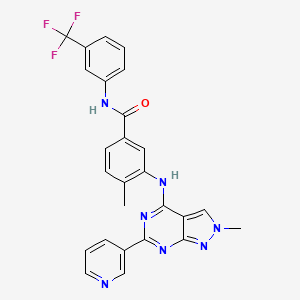
Research Findings
The GLOW™ Blend has been evaluated across structural, dermatological, vascular, and systemic research models. Published studies highlight activity related to collagen organization, wound closure dynamics, angiogenesis, and cellular protection in preclinical environments.
Key Areas of Investigation:
- Structural: Collagen synthesis, extracellular matrix organization, tendon and ligament integrity
- Dermatological: Wound closure, skin regeneration, hair follicle signaling
- Vascular: Angiogenesis, nitric oxide pathways, vessel remodeling
- Systemic: Cytoprotection, recovery signaling, cellular viability
Collectively, these findings suggest broad experimental utility for the GLOW™ Blend across multiple biological pathways. By combining peptides that influence structural support, vascular signaling, dermatological repair, and systemic protection, the GLOW™ Blend offers a versatile platform for research into regeneration, tissue recovery, and biological resilience in controlled laboratory models.
Pickart L. et al., 2015